
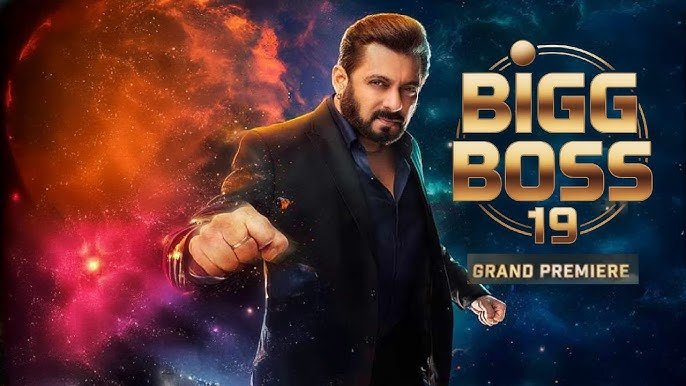
The grand finale of a cultural phenomenon like Bigg Boss 19 is more than just a television event; it’s a national conversation. After 100 days of manufactured drama and authentic human emotion, the nation tunes in with a singular question: which of the final five—Farrhana Bhatt, Tanya Mittal, Amaal Mallik, Gaurav Khanna, or Pranit More—will hoist the trophy?
But to focus solely on the winner is to miss the masterclass in modern entertainment mechanics playing out just beneath the surface. The true story of the finale lies not in the outcome, but in the powerful, often invisible machinery that drives it: from the gamification of fan support and high-stakes celebrity campaigns to the carefully engineered emotional beats that define the show’s climax.
This analysis pulls back the curtain to expose five of the most impactful realities of the Bigg Boss 19 finale, revealing how a reality television behemoth truly operates.
——————————————————————————–
1. Bigg Boss 19 Finale: The ’99 Votes’ Rule
On the surface, the voting process is a simple call to action: download the JioHotstar app, register, and cast a vote for your favorite finalist. The astonishing reality, however, is the rule that allows a single user to cast up to 99 votes and, crucially, allocate all of them to one contestant. This isn’t just voting; it’s a system designed for the era of stan culture.
This mechanism fundamentally transforms fandom from passive support into an active, gamified campaign. It privileges not just the most popular contestant, but the one with the most organized and dedicated digital army. The ’99 votes’ rule illustrates how the show leverages modern fan behavior, turning individual viewers into high-volume voting blocs and exposing how victory can hinge on a well-mobilized (and potentially well-funded) online base rather than sheer numbers of casual supporters.
2. The Competition is a Star-Powered Campaign Trail Bigg Boss 19 Finale
The battle for the Bigg Boss trophy isn’t confined to the house; it’s fought fiercely across social media, where celebrity endorsements function as a crucial part of a contestant’s campaign strategy. This year’s finale showcases a symbiotic relationship at the heart of the modern promotional ecosystem, where stars leverage their platforms to influence a pop culture event, and in turn, the show and its contestants gain invaluable credibility and reach.
The high-profile endorsements demonstrate this dynamic:
• Rupali Ganguly and Anupamaa creator Rajan Shahi mobilized support for Gaurav Khanna.
• Dipika Kakar and Kunickaa Sadanand championed Farrhana Bhatt.
• Hunar Hali made a passionate case for fans to support Amaal Mallik.
Rupali Ganguly’s praise for her co-star highlights the personal stakes involved:
“Mujhe jyada dekhne ka samay nahi mila because I was doing Anupamaa. But jo bhi I’ve seen on social media, I am very proud of him. … He has played exceptionally well and Mata Rani, Mahakal ne chaha toh trophy unhi ke ghar jani chaiye. Well deserving hai.”
Hunar Hali’s plea for Amaal Mallik framed his journey in terms of authenticity:
“Main audience se kehna chahti hoon ki Amaal Mallik ko support kijiye. Usne apni zindagi se judi har baat, shuru se lekar end tak, khud ko be-hichak rakha, bina kisi sharmaye.”
3. The Final Hurdle is a Carefully Crafted Emotional Gauntlet
In the last episode before the grand finale, the show’s producers deploy their most potent narrative tool: the emotional journey recap. After more than 100 days of conflict and isolation, each finalist is shown a montage of their time in the house. This is far from mere filler; it’s a calculated strategic move designed to maximize audience empathy and solidify character arcs just as voting reaches its peak.
The raw emotional toll was palpable, serving the show’s narrative goals perfectly:
• Tanya Mittal burst into tears, showcasing her vulnerability.
• Pranit More became emotional watching clips from Family Week, reinforcing his connection to home.
• Amaal Mallik was moved to tears by moments with his brother Armaan, highlighting his personal journey.
By scheduling this segment in the penultimate broadcast, the show creates a final, powerful wave of emotional investment, reminding viewers of each contestant’s personal story in a last-ditch effort to sway votes before the lines close.
4. The Finale is a Full-Blown Entertainment Spectacle
With the emotional groundwork laid in the final episode, the stage is then set for the grand finale itself—a pivot from introspection to pure entertainment. The finale is less a straightforward results announcement and more a polished, large-scale variety show, ensuring its broadcast real estate is packed with marketable performances.
This shift from raw reality to choreographed spectacle is designed for maximum viewership. According to reports, the finale will feature several high-energy duets:
• Amaal Mallik and Shehbaz Badesha are set to perform to the song “Hello Brother.”
• Gaurav Khanna and Mridul Tiwari have reportedly shot a performance to the “Bade Miyan Chote Miyan” title track.
These elaborate numbers underscore the show’s status as a massive production. They guarantee a memorable event for the audience and advertisers alike, proving that on finale night, polished spectacle ultimately trumps the unscripted drama that defined the preceding 100 days.
5. Digital Viewers Get the First Look
The broadcast schedule for the crucial pre-finale episode offered a stark look at modern media priorities. The live stream on JioHotstar began at 9 PM, while the broadcast on the legacy Colors TV channel aired a full ninety minutes later at 10:30 PM. This isn’t just a scheduling quirk; it’s a case study in the definitive power shift from traditional television to digital streaming.
By granting premier access to its streaming audience, the network reveals its core strategy. This digital-first approach drives app downloads, secures valuable user data for targeted advertising, and reinforces JioHotstar not as a “catch-up service” but as the primary destination for dedicated fans. It’s a clear signal that in today’s media landscape, the digital platform is the main event, and linear television is the encore.
——————————————————————————–
As the lights finally dim on the Bigg Boss 19 house, it’s evident that the machinery behind the finale—its super-voting system, celebrity-fueled campaigns, and digital-first strategy—is as compelling as the competition itself. They paint a vivid picture of a media property that has mastered the art of audience engagement in a fractured digital age. This leaves us with a final question: In an era of fan armies and algorithm-driven campaigns, what does it truly mean for a fan to support their favorite contestant?